
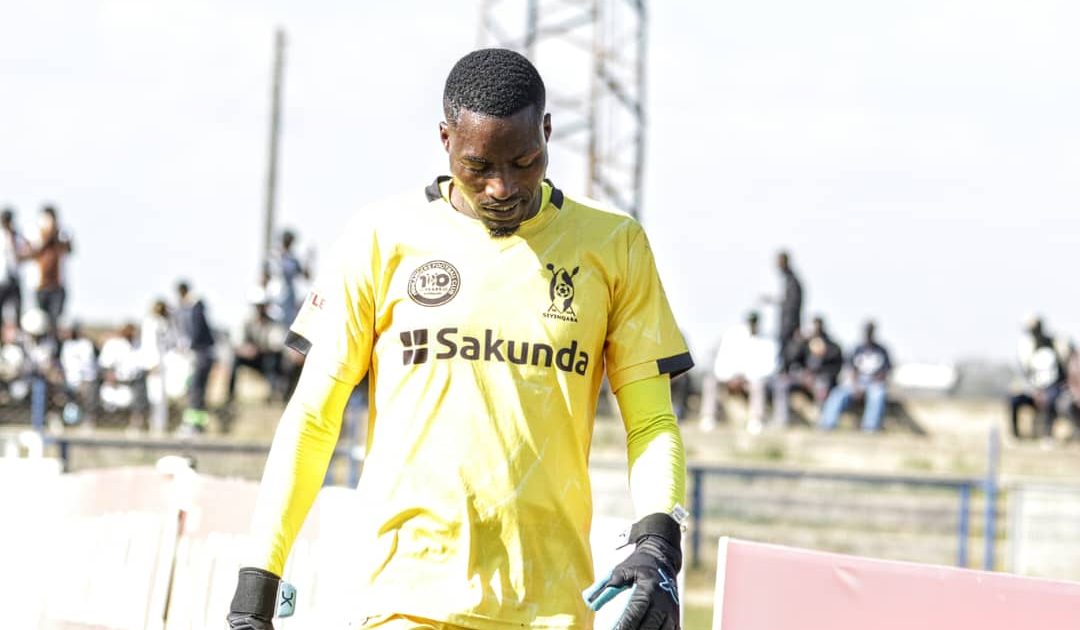
When Giants Stop Training: What the Highlanders Salary Crisis Says About Zimbabwean Football
The reported decision by Highlanders players to continue their industrial action ahead of one of the biggest fixtures on the Zimbabwean football calendar is far bigger than a dispute between a club and its players.
It is a warning sign.
When players at one of Zimbabwe’s most historic and supported clubs feel they have no option but to stop training in order to demand outstanding salaries and bonuses, the conversation can no longer be limited to Highlanders alone. It becomes a conversation about the health, sustainability and future of Zimbabwean football itself.
The timing could hardly be worse.
The Battle of Zimbabwe between Highlanders and Dynamos is more than just a football match. It is one of the country’s biggest sporting events, attracting thousands of supporters, generating national interest and showcasing the PSL to sponsors, broadcasters and potential investors.
Yet instead of discussions focusing on tactics, team news and the excitement of the rivalry, attention has shifted towards unpaid salaries and player unrest.
That should concern everyone connected to the game.
Professional football begins with professional treatment of players.
Footballers are often criticised when performances decline, when results disappoint or when clubs fail to meet expectations. But professional players also have responsibilities, families, bills and livelihoods that depend on their salaries being paid on time.
Supporters see players for ninety minutes on matchday.
What many do not see are the realities behind the scenes. Players are expected to train daily, maintain peak physical condition, travel across the country and represent their clubs professionally. When salaries remain unpaid for extended periods, it becomes increasingly difficult to expect players to continue operating normally.
The issue is not simply about money.
It is about trust.
Once trust breaks down between players and management, rebuilding it becomes difficult. Every missed payment damages morale. Every broken promise creates frustration. Eventually, situations reach a point where players believe industrial action is the only language that will be heard.
That appears to be what is happening now.
For Zimbabwean football, the consequences extend beyond one dressing room.
The PSL has worked hard in recent years to improve its image. Sponsorships have increased. Matchday experiences have improved. Clubs have strengthened their social media presence. More young players are emerging. Interest in the domestic game remains strong.
But recurring salary disputes continue to undermine that progress.
Potential investors do not only look at attendance figures or television audiences. They look at stability. They look at governance. They look at whether clubs can meet basic contractual obligations.
Every public dispute over unpaid salaries sends the wrong message.
It creates uncertainty.
It raises questions.
And it makes attracting future investment more difficult.
There is also the issue of player development.
Zimbabwe produces talented footballers every season. Young players dream of building careers in the domestic league before earning moves abroad. But if leading clubs struggle to consistently meet financial commitments, many of the country’s brightest prospects will continue looking elsewhere at the earliest opportunity.
The result is a cycle that weakens the league.
The best players leave quickly.
Clubs struggle to retain talent.
Competitive standards suffer.
Commercial value declines.
Everyone loses.
For Highlanders specifically, the situation is particularly painful because of the club’s stature.
This is not an ordinary football club.
Highlanders are one of Zimbabwe’s biggest institutions. Their history, fanbase and influence stretch far beyond Bulawayo. Bosso supporters are among the most passionate on the continent, regularly filling stadiums and backing the club through good times and bad.
Those supporters deserve better.
Players deserve clarity.
Coaches deserve stability.
And the club deserves solutions.
As Sunday approaches, the focus should be on football. It should be on the atmosphere at Barbourfields. It should be on the rivalry between Highlanders and Dynamos. It should be on players creating memories in one of African football’s great fixtures.
Instead, uncertainty hangs over the occasion.
The hope now is that a resolution can be reached quickly.
Not only for the sake of Highlanders.
Not only for the sake of the players.
But for the sake of Zimbabwean football.
Because when one of the country’s biggest clubs is unable to prepare normally for its biggest match, it becomes clear that the issue is no longer a club problem.
It becomes a football problem.
And until those deeper issues are addressed, similar stories will continue to surface, regardless of which club’s badge appears in the headlines.
Zimbabwean football has too much potential to allow that cycle to continue.
📷:Highlanders


Leave a Reply